Aviation Switching Module – NSN 4920-01-250-2696 (AS-IS / Untested): Aerospace Switching Unit for Professional Inspection
Aviation Switching Module – NSN 4920-01-250-2696 (AS-IS / Untested): Aerospace Switching Unit for Professional Inspection
Blog Article
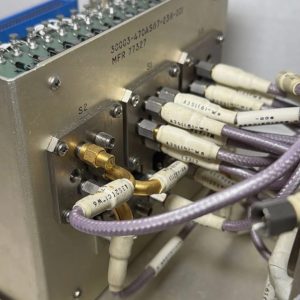
The Aviation Switching Module – NSN 4920-01-250-2696 (AS-IS / Untested) is a specialized aerospace electrical component offered for professional evaluation, restoration, testing, parts recovery, collection, or another suitable non-assumed application.
An Aircraft Switching Module may control, route, select, isolate, or distribute compatible electrical signals or circuits, while an Aerospace Switching Module should be evaluated according to its exact internal design and intended equipment relationship.
Whether buyers search for an Aircraft Electrical Switching Module, Aviation Electrical Control Module, Aircraft Power Switching Module, Aerospace Electrical Control Unit, or Aircraft Signal Switching Module, technical identification should guide the purchase.
The Aviation Control Module, Aircraft Switching Unit, Aerospace Power Distribution Module, Aircraft Electrical Control Unit, Aviation Power Control Module, Aircraft Electronic Switching System, Aerospace Switching Unit, and Aircraft Electrical Module keywords describe a broad aerospace-electrical product category.
Overview of the Aviation Switching Module
The National Stock Number provides an important catalog reference that can help buyers research the item’s supply history, technical identity, related part numbers, and possible equipment application.
Military or aviation-surplus components may carry replacement numbers, superseded numbers, modification markings, or contract identifiers that assist research.
Understanding AS-IS and Untested Condition
AS-IS and untested means the module is offered without confirmation that it powers on, switches circuits, communicates with associated equipment, meets specifications, or performs its original function.
Professional evaluation protects the module, technician, test equipment, and any associated aerospace system.
Choosing an Aircraft Switching Module
The actual role depends on internal circuitry, switch configuration, connector pinout, associated system design, and technical documentation.
A detailed visual inventory supports informed evaluation of the Aircraft Switching Module.
Maintaining a Switching Module Assembly
The module may have been designed for vibration, transportation, storage, maintenance, or aerospace operating environments, but present performance should not be assumed.
Connectors should be examined for bent pins, pushed-back contacts, corrosion, contamination, cracked inserts, damaged threads, broken keyways, missing caps, and impact marks.
Inspecting Aviation Module Wiring
An Aircraft Electrical Switching Module should be inspected for overheated areas, burned insulation, damaged terminals, loose hardware, corrosion, moisture entry, broken controls, and signs of previous disassembly.
The module should not be modified simply to produce a temporary power-on result.
Aviation Module Interface Considerations
Professional research should occur before any attempt to connect the Aviation Electrical Control Module.
Missing labels or faded markings can make operation difficult and may increase the risk of improper testing.
Power Switching Module Inspection
An Aircraft Power Switching Module may connect, disconnect, select, or manage compatible electrical power circuits when designed for that function.
A module with unknown electrical condition should remain clearly labeled as untested until formal evaluation occurs.
Electrical Control Unit Restoration
An Aerospace Electrical Control Unit may combine switching, control, indication, interface, or distribution functions within one enclosed assembly.
Detailed records support the long-term value of the Aerospace Electrical Control Unit.
Choosing an Aircraft Signal Switching Module
Qualified evaluation supports responsible Aircraft Signal Switching Module use.
Shielding, grounding straps, connector shells, cable clamps, and enclosure bonding can influence signal performance where included in the original design.
Professional Aviation Module Evaluation
An Aviation Control Module should be treated as one component within a larger system rather than a standalone universal controller.
Accurate configuration review reduces the risk of an unsuitable Aviation Control Module acquisition.
Commercial Value of an Untested Switching Unit
Its value depends on identity, completeness, cosmetic condition, connector integrity, internal status, rarity, and availability of documentation.
Responsible educational use can extend the value of the Aircraft Switching Unit.
Power Distribution Module Inspection
An Aerospace Power Distribution Module generally manages or routes electrical power among compatible circuits, although the exact function of this NSN should not be assumed without supporting information.
Preserving the original structure protects the Aerospace Power Distribution Module and its resale value.
Maintaining Legacy Aviation Control Equipment
Dust and surface dirt can often be removed carefully, but aggressive cleaning may damage labels, seals, finishes, or electrical parts.
Limited testing should not be described as complete serviceability verification.
Choosing an Aviation Power Control Module
Responsible product information protects buyers seeking an Aviation Power Control Module.
Safe handling is important even when the Aviation Power Control Module is sold strictly AS-IS.
Maintaining Aerospace Switching Equipment
System diagrams can help identify required inputs, outputs, grounds, control logic, and companion components.
Repair documentation can help distinguish module faults from system faults.
Long-Term Storage of Aircraft Electronics
The Aerospace Switching Unit should be stored in a clean, dry, stable environment protected from moisture, dust, check here chemicals, impact, pests, and extreme temperature changes.
Loose accessories should be wrapped separately and inventoried before packaging.
Buying AS-IS Aviation Electronics
Commercial evaluation should focus on total project suitability rather than the purchase price alone.
The seller should explain whether the unit has been powered, opened, repaired, modified, tested, or removed from known equipment.
Inspecting the Aviation Switching Module Before Purchase
The buyer should request enough information for an aviation electronics technician, aerospace-equipment specialist, or experienced surplus buyer to evaluate the unit.
- Request photographs of all labels, switches, controls, connectors, mounting points, enclosure surfaces, seals, fasteners, and included accessories.
- Arrange qualified technical evaluation whenever condition, internal status, or testing requirements remain uncertain.
- Retain purchase records, photographs, labels, research, testing notes, and repair documentation with the module.
Evaluating an Untested Electrical Module
Every connection should be documented before power is applied.
Partial operation should not be presented as complete certification, calibration, or airworthiness.
Aerospace Module Component Replacement
Replacement parts should be selected according to electrical rating, mechanical fit, material, environmental requirements, and original design intent.
The final product status should describe only the functions that were evaluated successfully.
Selecting a Surplus Aerospace Switching Unit
For the right purchaser, the unit can offer a useful foundation for technical research, controlled troubleshooting, component recovery, or legacy-equipment restoration.
Careful technical and commercial evaluation can reduce equipment damage, incompatible purchases, missing-accessory costs, testing hazards, and restoration delays.
Whether the product is described as an Aircraft Switching Unit, Aerospace Power Distribution Module, Aircraft Electrical Control Unit, or Aviation Power Control Module, AS-IS limitations should remain clear.
With transparent condition reporting, secure shipping, controlled testing, appropriate repair methods, and accurate records, the unit can support a professional aerospace project.
Report this page